
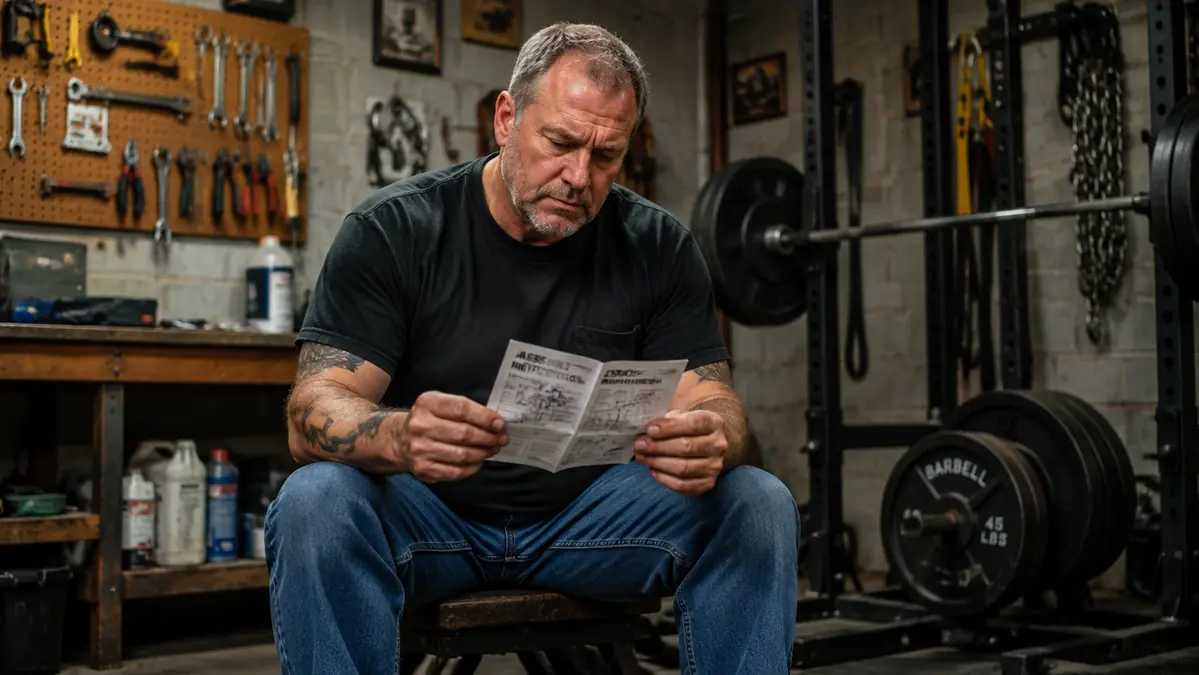
Nobody at the counter, and nobody in any of the five-star reviews I read before I ordered, mentioned that my index finger would go numb on the third day of using these. Not sore, not the normal ache of working a muscle, numb, the way a hand falls asleep on a long ride. I'm opening with that because it's exactly the kind of detail that gets left out of every glowing review of BFR Bands Pro I found before I bought mine, and it's the kind of detail that matters when you're strapping something around a limb and deliberately cutting off part of the blood flow to it.
I'm Gregory. I run a small shop, I'm north of fifty, and I've got two Siberian huskies, Diesel and Nova, who don't care what my knee feels like on a given morning, they still want their walk before I open the bay doors. I already wrote up the long version of this story, six months on a bad knee, what it did and didn't fix. This isn't that article. This is the one I'd give a buddy at the shop who grabbed my arm and asked, forget the marketing, is this thing a pain to use, and is it actually safe. Here's the honest answer, discomfort included.
The Quick Verdict
The results are real, but there's a rougher learning curve and a few safety lines you need to respect that the box doesn't spell out nearly well enough.
Amazon Check Today's Price →Before you strap one on, read what the five-star reviews left out
I'm not walking this back, the BFR BANDS Pro work. But there's a right way to use them and a wrong way, and the wrong way is uncomfortable enough to make most people quit in week one. Here's where to get the same set, plus everything I wish someone had told me first.
Amazon Check Today's Price on Amazon →How I Tested It, Warts and All
I've already put six months on these bands and I stand by the results. But that article was about outcomes. This one is about the process, including the parts that went sideways, because a review that only tells you what worked isn't much of a review. I kept every session logged in the same shop notebook I use for torque specs, and I didn't clean up the entries that made me look like I didn't know what I was doing. There are a few of those.
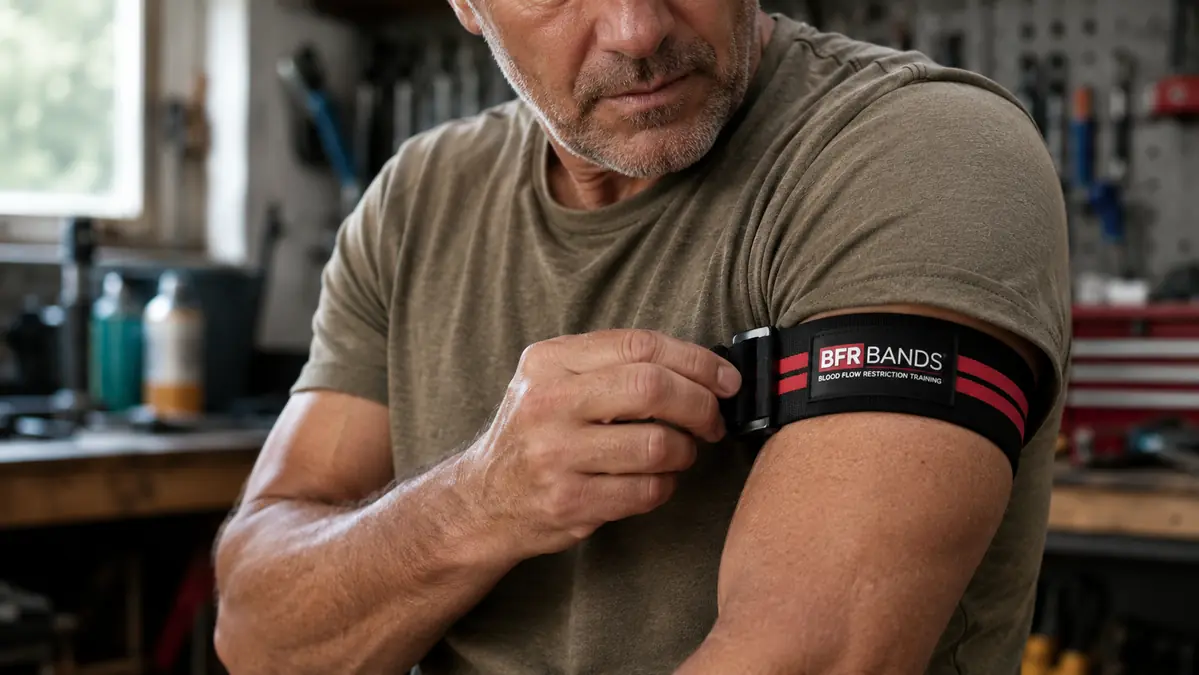
My first mistake was skipping any real research and just going off the folded instruction card in the box. I strapped the narrower BFR BANDS Pro arm band on for a set of hammer curls, cinched it down by feel the way I'd tighten a hose clamp, snug enough that it wasn't going anywhere, and started my reps. By the third set my ring finger and pinky had gone numb, not tingly, numb, the kind where you can pinch the skin and barely register it. I stopped, unclipped the buckle, and sat there for a minute flexing my hand and feeling more than a little foolish for a guy who's handled pressurized brake lines for thirty years without a second thought.
My second mistake, a week or so later, was trying to save time by wrapping a leg band over my work jeans instead of bare skin before a quick session between customers. The denim bunched under the strap, the pressure landed unevenly, and by the end of the set I had an irritated red welt line where the fabric had folded over on itself. Bare skin, or at most a thin compression sleeve underneath, turned out to be the only way to get even, reliable pressure. That's a five-minute lesson nobody bothers writing down because it sounds too obvious until you've done the opposite and paid for it.
That was the wake-up call to stop treating this like a strap and start treating it like a piece of equipment with real rules. I spent the next evening watching two videos from physical therapists explaining occlusion pressure properly, re-measured my arm and leg with an actual tailor's tape instead of guessing, and started over. Week one was a wash. I'll own that. Everything past week two got a lot better, but I want anyone reading this to know that week one isn't a fluke, it's close to the norm if you go in cold.
The Learning Curve Nobody Warns You About
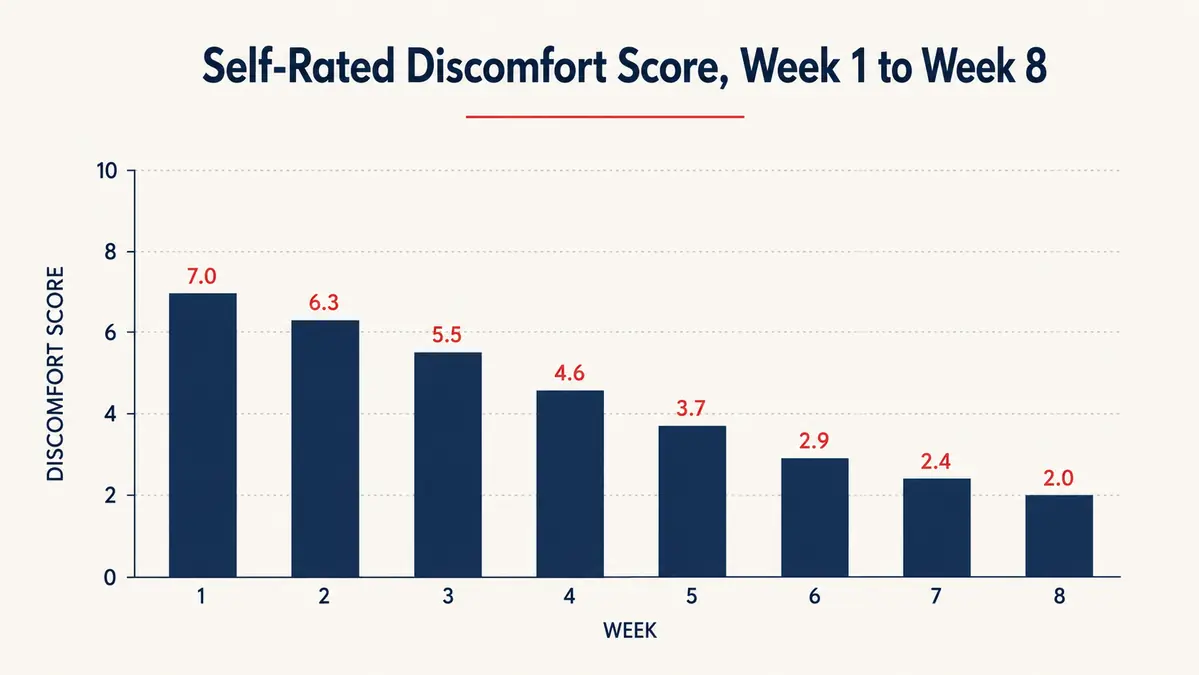
Scroll through the reviews on any occlusion band and you'll see the same phrase over and over: easy to use, love these, great value. What you won't see is anyone admitting it took them the better part of three weeks to consistently land on a pressure that actually worked without causing numbness, tingling, or the band slipping mid-set. Mine took right around that long, and I don't think I'm slow on the uptake, I think most people just don't write reviews during the frustrating part.
A buddy from the shop borrowed my leg bands one weekend after hearing me talk them up, tried them once without watching anything or asking me for pointers first, had a rough go of it with his calf going tingly halfway through a set, and never touched them again. I don't blame him. If your first experience is uncomfortable and confusing, there's no reason to give it a second try, and I'd guess a good chunk of the middling reviews online come from exactly that scenario, one bad session and done.
The turning point for me was learning what a correct session is actually supposed to feel like, which is a deep, building burn in the working muscle by the last few reps of a set, not numbness anywhere downstream of the band. Once I had that reference point in my head, dialing in the right pressure took maybe two more sessions instead of two more weeks. Nobody handed me that reference point up front. I had to go find it myself.
The Tightness Question: What Right Actually Feels Like
There's a real difference between the discomfort you're supposed to feel and the discomfort that means back off, and it took me longer than I'd like to admit to tell them apart. Correct pressure feels like a tight, hard fatigue building in the muscle itself, the kind that makes the last two reps of a set genuinely difficult. Too tight feels like the limb below the band starts checking out, cold, pale, or numb, and that's your body telling you to stop immediately, not push through.
The first time I saw faint red lines on the back of my knee after removing a leg band, I'll admit it startled me. They faded within the hour and never turned into real bruising, but nobody mentioned that was a normal, if slightly alarming looking, part of using these consistently. If I'd known ahead of time that light marking is common and not a sign something's wrong, I wouldn't have spent that first week second-guessing whether I should be using them at all.
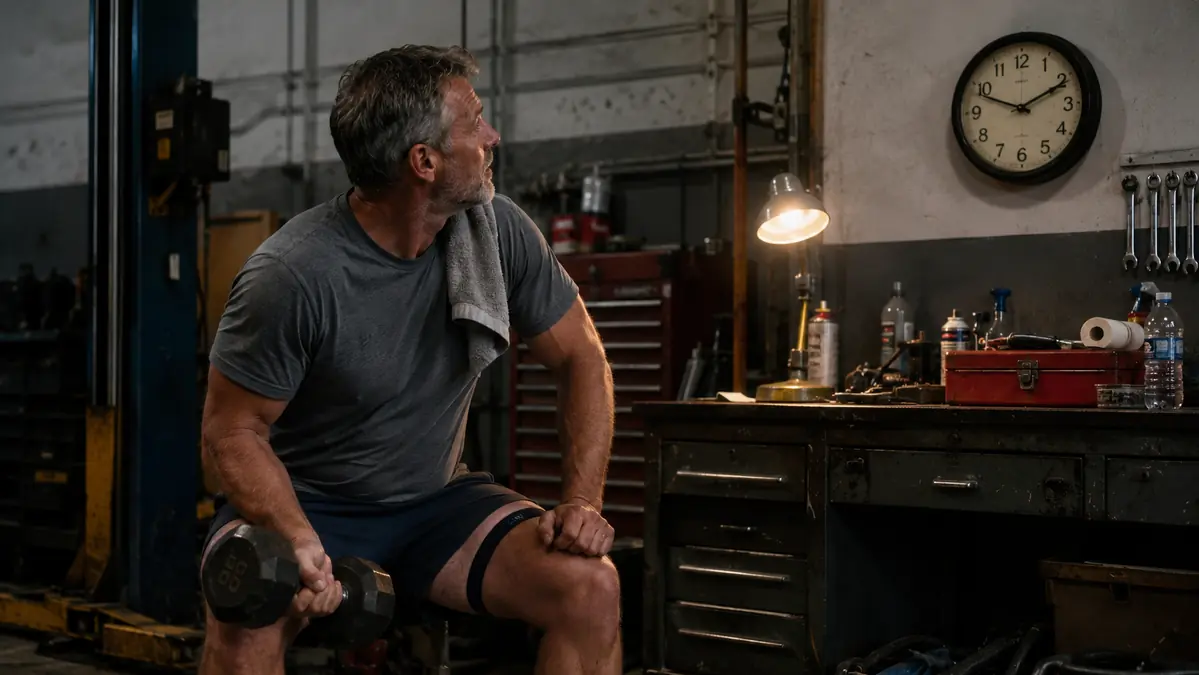
My personal rule now, six months in, is simple. I don't run a single set with the BFR BANDS Pro longer than about ten to twelve minutes total, and I check color and sensation in my hand or foot the moment I take the band off. If full feeling doesn't come back within a few seconds, I loosen the next session instead of assuming it'll work itself out. That's not a rule the box gave me. That's a rule I built after paying attention to what actually happened to my own body.
The Safety Line I Won't Cross
I'm not a doctor and I'm not going to play one in a product review, but I will tell you what I personally do and don't do with these, because I think it matters more than another paragraph about muscle gains. I don't use the leg bands and then immediately walk down our back porch steps, which get icy half the year in this part of the country. My ankle felt slightly off-balance the one time I tried it right after a set, probably from the temporary change in sensation, and that's a fall risk I'm not willing to carry at my age with a shop to run.
I also don't train alone with the leg bands on for more than a short set at a time, and before I ever ordered these I called my regular doctor to run it by him given that I'm over fifty and keep an eye on my blood pressure. He didn't have a problem with it for my situation, but he was clear that anyone with a history of blood clots, uncontrolled blood pressure, or reduced circulation in their hands or feet has no business strapping these on without that conversation happening first. The product packaging has a general caution line buried in small print. It is not a substitute for actually asking your own doctor.
None of this is meant to scare you off. It's meant to replace the vague word 'consult a physician' printed on the box with what that actually looks like in practice for a real person using these three times a week. Respect the pressure, respect the time limit, and don't ignore what your hand or foot is telling you mid-set. That's the whole safety philosophy, and it's worked for me.
What I Wish the Box Had Told Me
The included sizing chart is built for an average limb, and thirty years of wrenching has left me with forearms and calves that don't measure average. I ended up needing the leg bands snugged near the top of their adjustable range just to get proper compression, which means less margin left in the strap and, I'd guess, a shorter usable life than someone with a leaner build would get out of the same pair.
There's also no laminated quick-reference card for what pressure should feel like at each stage, just the folded card explaining how to loop the strap through the buckle. I ended up writing my own cheat sheet on an index card and taping it inside the drawer where I keep the bands, three lines describing what correct, too loose, and too tight each feel like, because I didn't want to relearn that lesson every time I picked them back up after a slow week.
Nobody mentions upfront that the skin under the band can get itchy or lightly irritated if you wrap it in the exact same spot every session, especially in warmer months when you're sweating under it. I started rotating the band position up or down half an inch each time, and that solved it completely, but it would have been nice to read that tip somewhere instead of figuring it out after a week of low-grade annoyance.
There's also nothing in the box telling you how to tell normal wear from an actual problem with the strap. Around month three, one of my BFR BANDS Pro leg bands developed a slightly uneven stretch on one end, and I spent a good ten minutes turning it over trying to decide if that was dangerous or just cosmetic before deciding it was cosmetic and kept using it. A single line in the instructions about what a genuinely worn-out band looks like versus a fine one would have saved me that ten minutes of standing in the garage second-guessing a rubber strap.
What I Liked
- Once you dial in proper pressure, it delivers a real muscle-fatigue workout on genuinely light loads
- The quick-release buckle is reassuring once you've tested it and trust it under tension
- Cheap enough that trying it isn't a real financial risk if it turns out not to be for you
- One set of four bands covers both arms and legs
- Small enough to toss in a bag, I've used mine in a motel room on a work trip
Where It Falls Short
- The first two to three weeks come with a genuine trial-and-error learning curve most reviews don't mention
- Pressure that's even slightly too tight causes real numbness and tingling, it happened to me more than once
- Light skin marking after a session is normal but nobody warns you ahead of time
- The included instructions skip past the safety basics you actually need before starting
- The sizing chart doesn't account well for thicker, muscular forearms or calves
The bands aren't dangerous if you respect them. They're dangerous if you treat them like a regular strap and stop paying attention to what your own hand or foot is telling you.
Who This Is For
This is for someone willing to actually sit down and learn proper pressure before their first real workout, not just strap it on and go because a box told them to. It's for people who want an honest tool, warts included, over something that promises an easy ride and doesn't deliver one. If you're patient enough to get through a rough first couple of weeks and disciplined enough to track how your body responds session to session, the payoff is worth the early frustration. I wouldn't have kept going without that mindset, and I don't think most people will either.
Who Should Skip It
Skip these entirely, no exceptions, if you have a history of blood clots, uncontrolled high blood pressure, or diabetic neuropathy that's already reduced feeling in your hands or feet, you need a doctor's clearance before you even open the box. Skip them too if you're pregnant, or if you're the type who wants zero learning curve and immediate comfort out of a new piece of gear, because that's not what week one looks like here. If straightforward, light progressive overload without any of this complexity already works fine for your joints, you don't need to bother with the added risk and ramp-up time at all. And if you're not willing to sit through even one instructional video before your first session, do yourself a favor and skip it, because that's exactly how the numbness and the bad first impressions happen.
Now you know what nobody put in the reviews, here's where I'd still buy mine
Discomfort, learning curve, the whole honest picture, and I still use these three times a week six months later. If you respect the pressure and give yourself the ramp-up time I didn't, this is worth adding to your routine.
Amazon Check Today's Price on Amazon →